Bunion Surgery
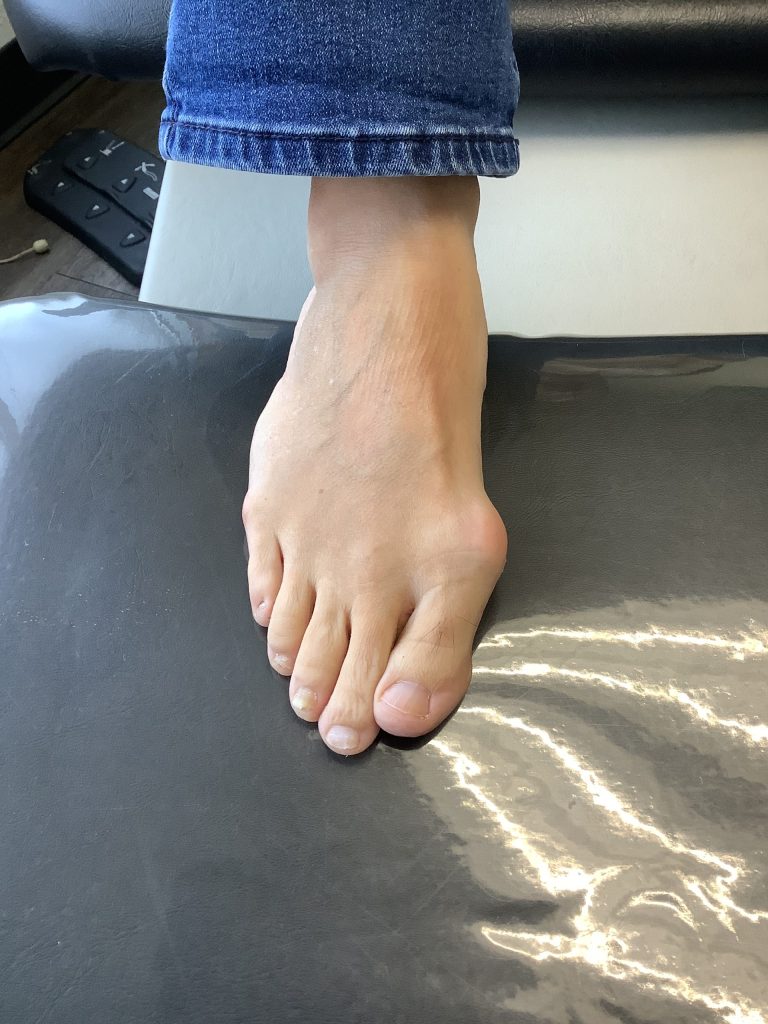
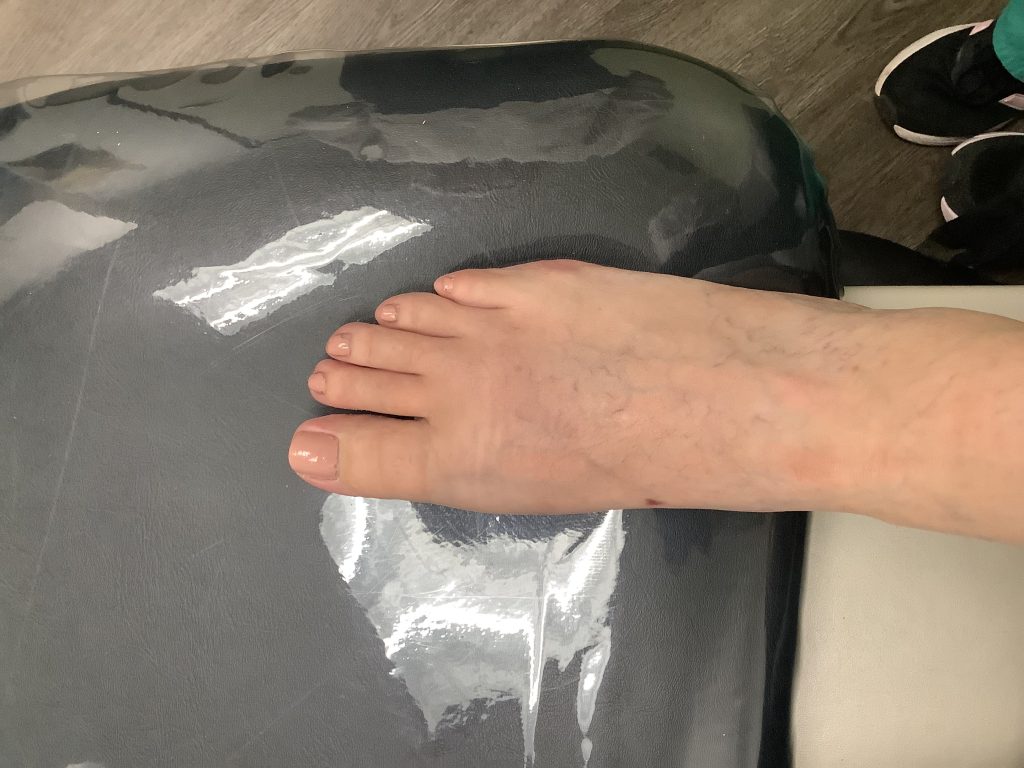
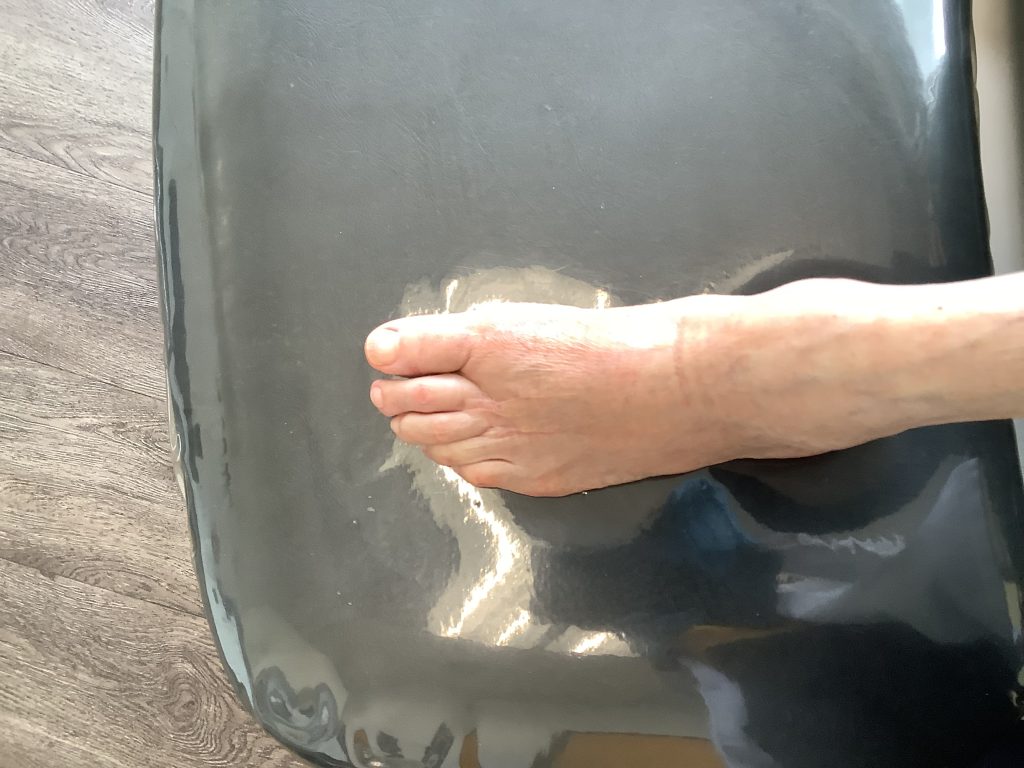
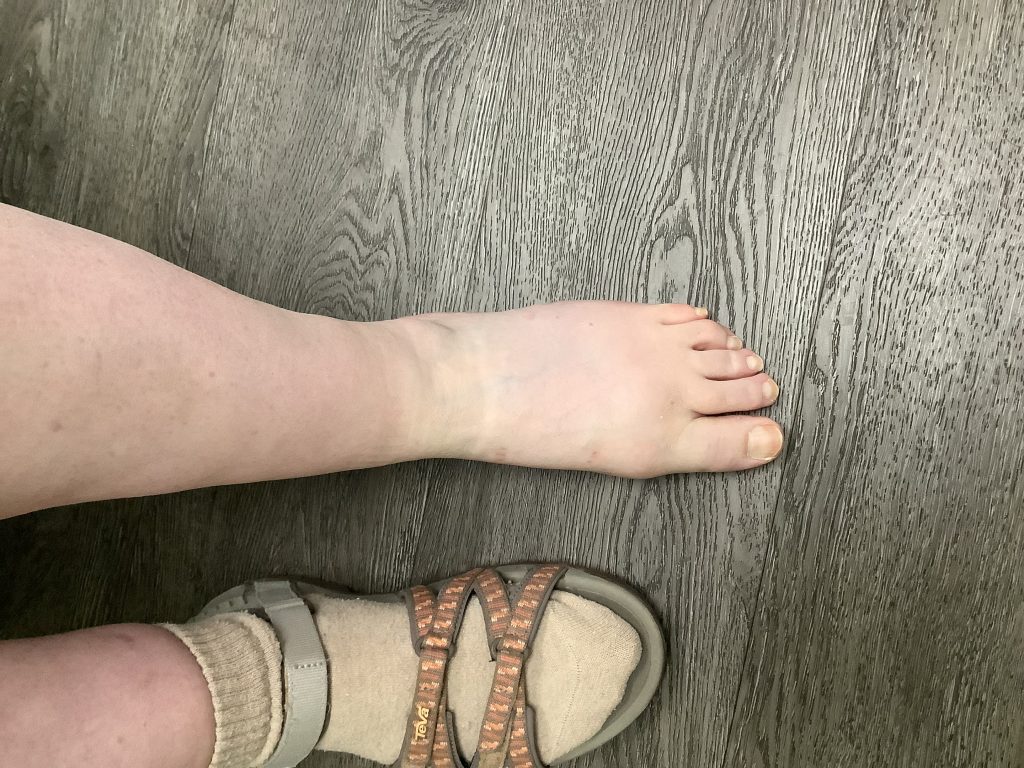
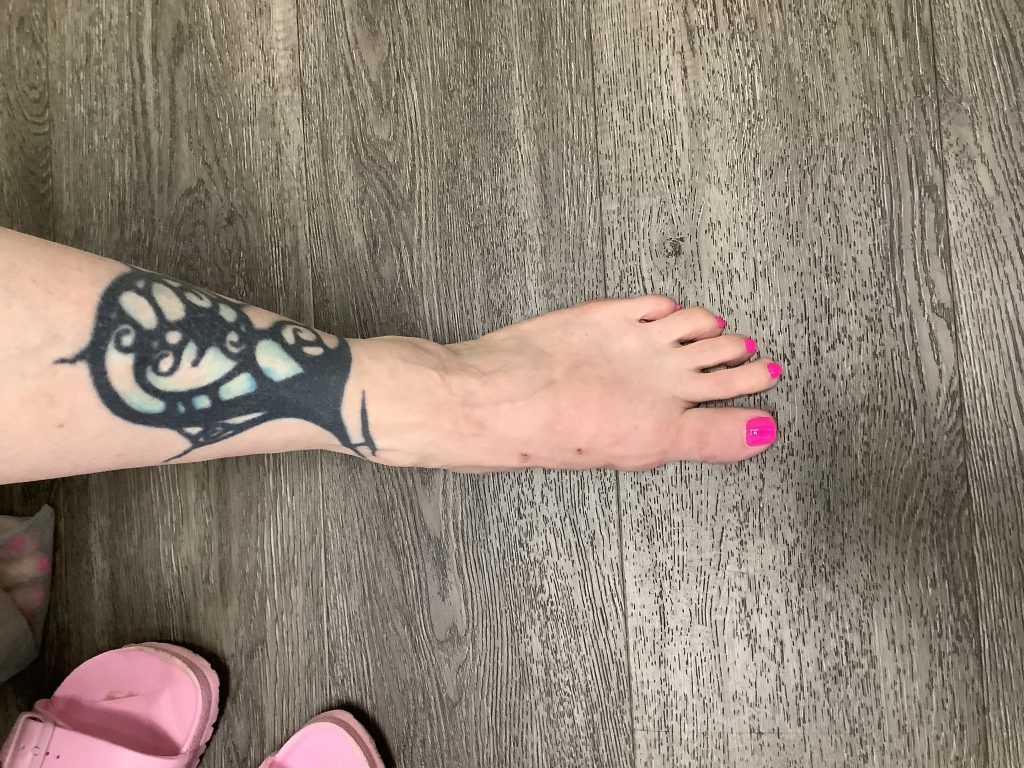
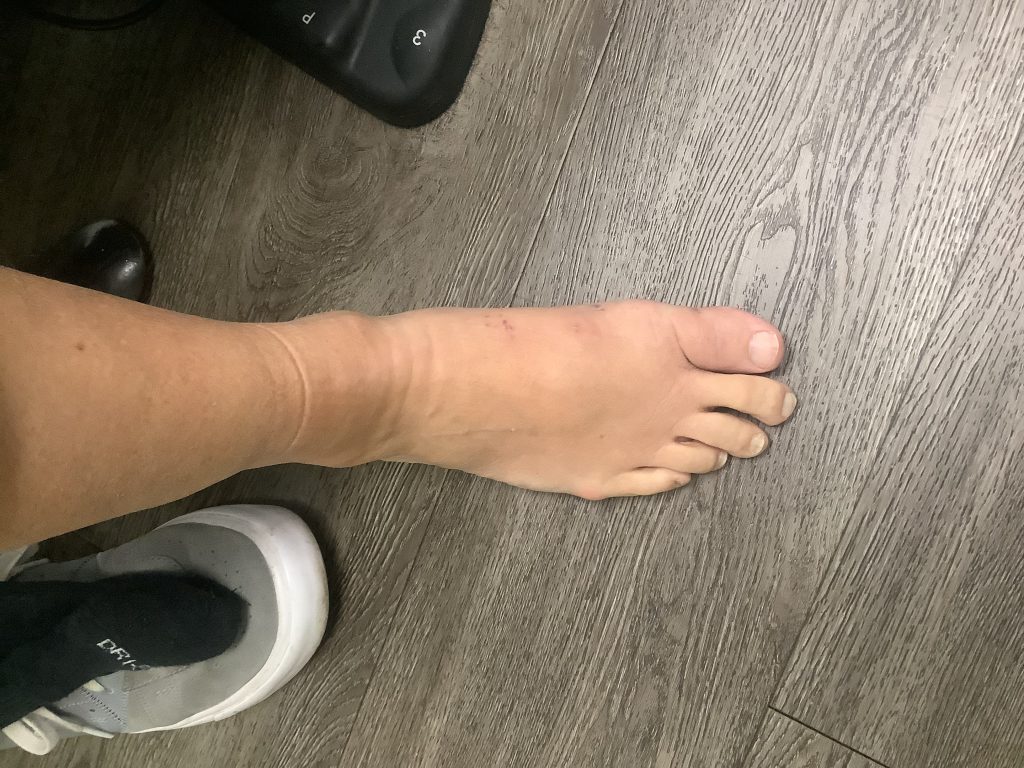
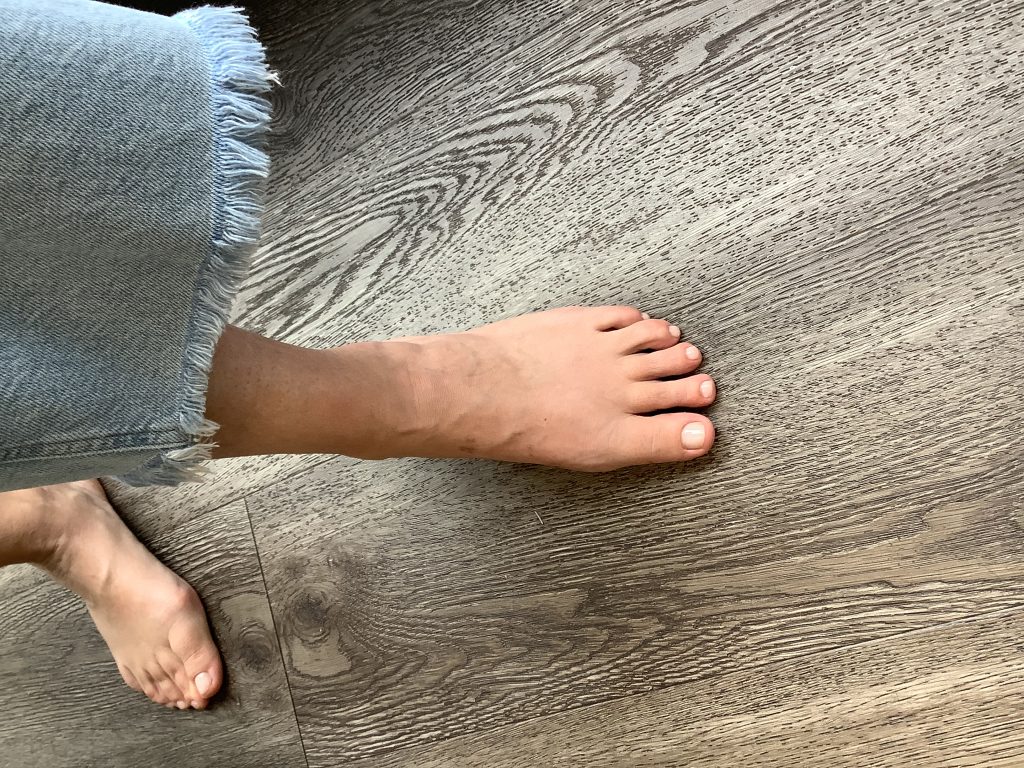
The big toe is made up of two joints, and a bunion develops when the joint at the base of the toe gradually becomes misaligned. Over time, the bones that form this joint shift out of their normal position, causing the big toe to lean towards the second toe. This abnormal alignment places extra pressure on the joint, leading to irritation, inflammation, and enlargement. As the joint becomes more prominent, it forms the characteristic bony bump on the inside of the foot known as a bunion.
Although the bump itself is made up of bone, the soft tissues surrounding the joint can also become inflamed, making the area swollen, red, and painful. As the bunion progresses, it can make walking uncomfortable, limit the movement of the big toe, and make it difficult to find shoes that fit comfortably. Without treatment, the deformity may gradually worsen over time, increasing pain and affecting the alignment of the other toes.
Request an AppointmentAre you a good candidate for surgery?
Good candidates for bunionectomy, or bunion correction surgery, are those who:
- Experience significant amounts of pain that limit day-to-day activities such as walking and standing for long periods of time
- Chronic inflammation and swelling that does not improve with medication or rest
- Deformity caused by the bunion pulling the big toe towards the other toes with possible crossover
Bunionectomy
The goal of a bunionectomy is to realign the joint at the base of the big toe, correct deformity, and eliminate the patient’s pain. As bunions vary in nature, various surgical procedures can be performed to correct them. In most bunion surgeries bone cutting is necessary as is the use of metal pins, screws, and plates to hold the bones in the right position. Below is a list of other forms of treatment.
Osteotomy
In this procedure, small cuts along the bone are made to realign the joint. The bone is held in place with pins, screws, or even plates to make the bone straight and balanced.
Arthrodesis
This surgery is offered to those who have severe arthritis, a severe bunion, or those who have previously had unsuccessful bunion correction surgeries before. In this surgery, arthritic joint surfaces are removed and held into place with wires, screws, and plates as the bone heals.
Exostectomy
Done alone exostectomy does not realign the joint or correct the bunion, instead the doctor shaves down the bone to minimize the appearance of the bunion. It is often performed as part of a larger corrective surgery combined with osteotomy and other soft tissue procedures.
Resection Arthroplasty
This surgery removes the damaged portion of the joint, shortening the overall length of the toe bone. However, due to the smaller size of the toe, walking and other activities can become more difficult.
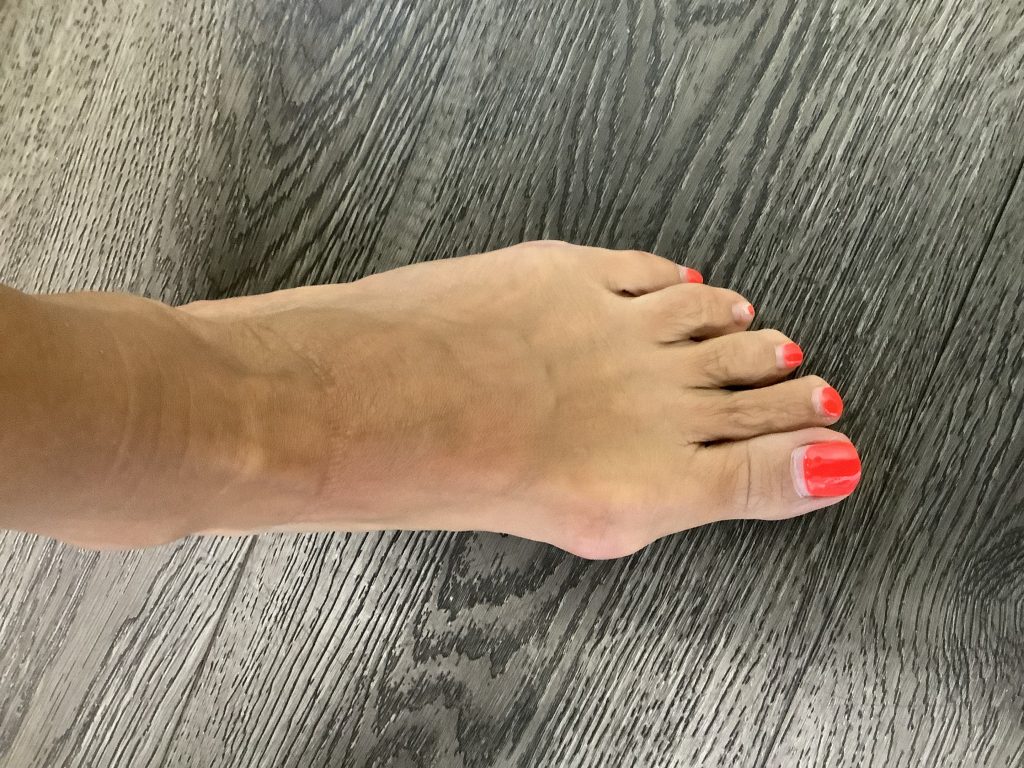 Before
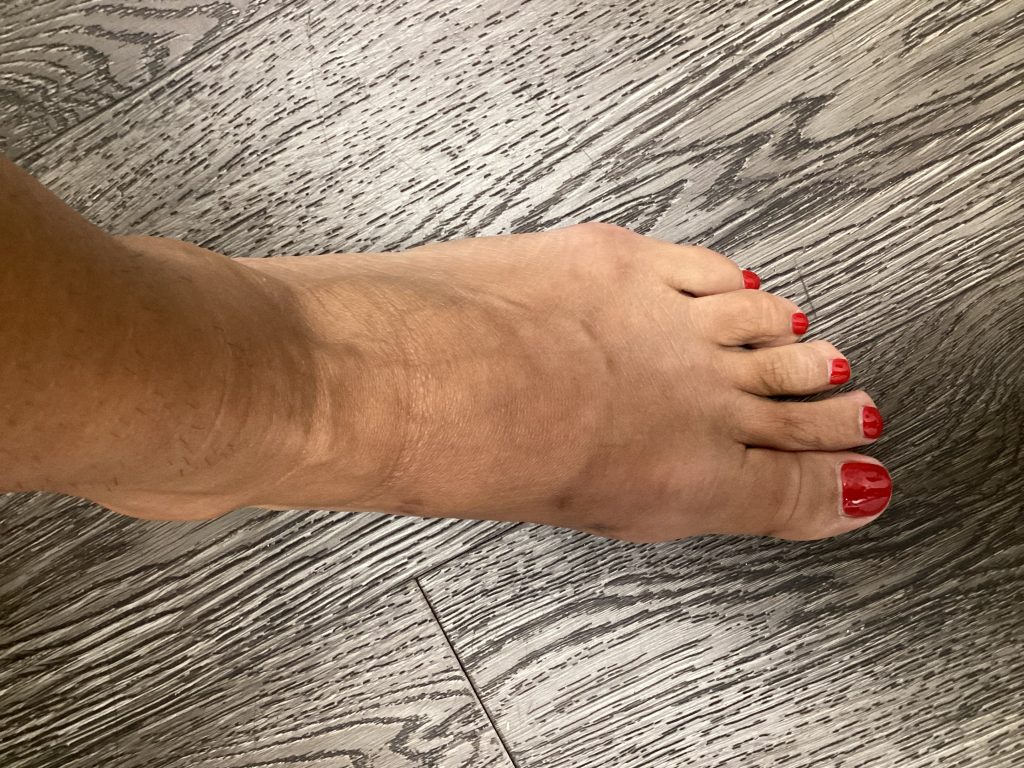 After
After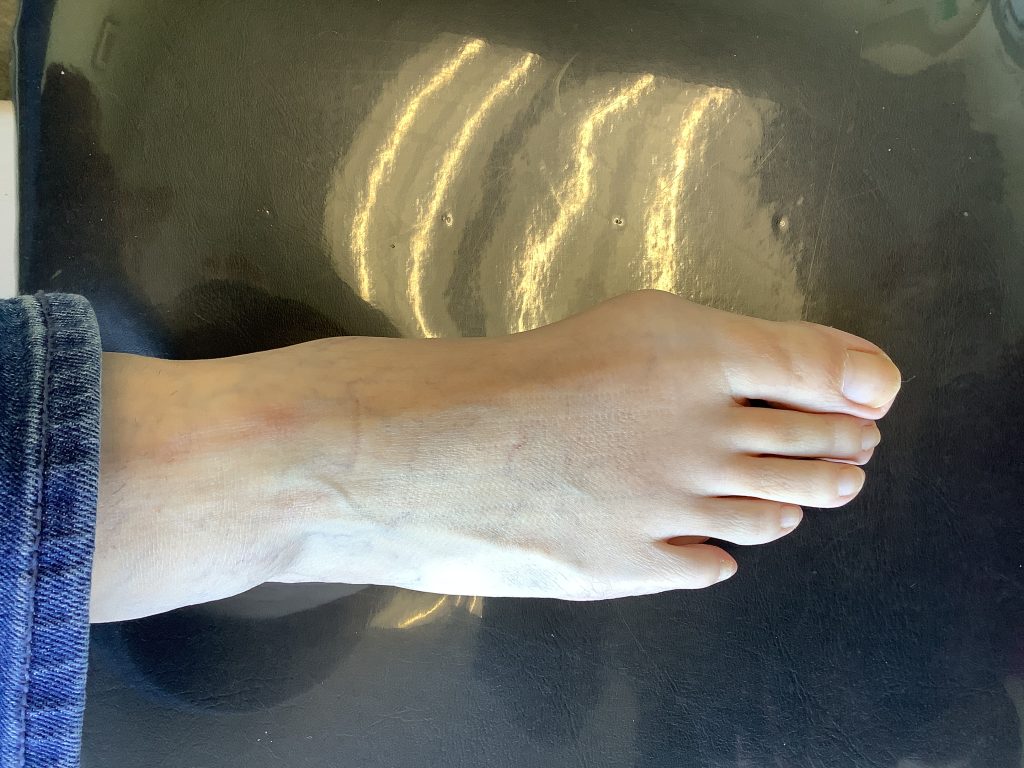 Before
 After
After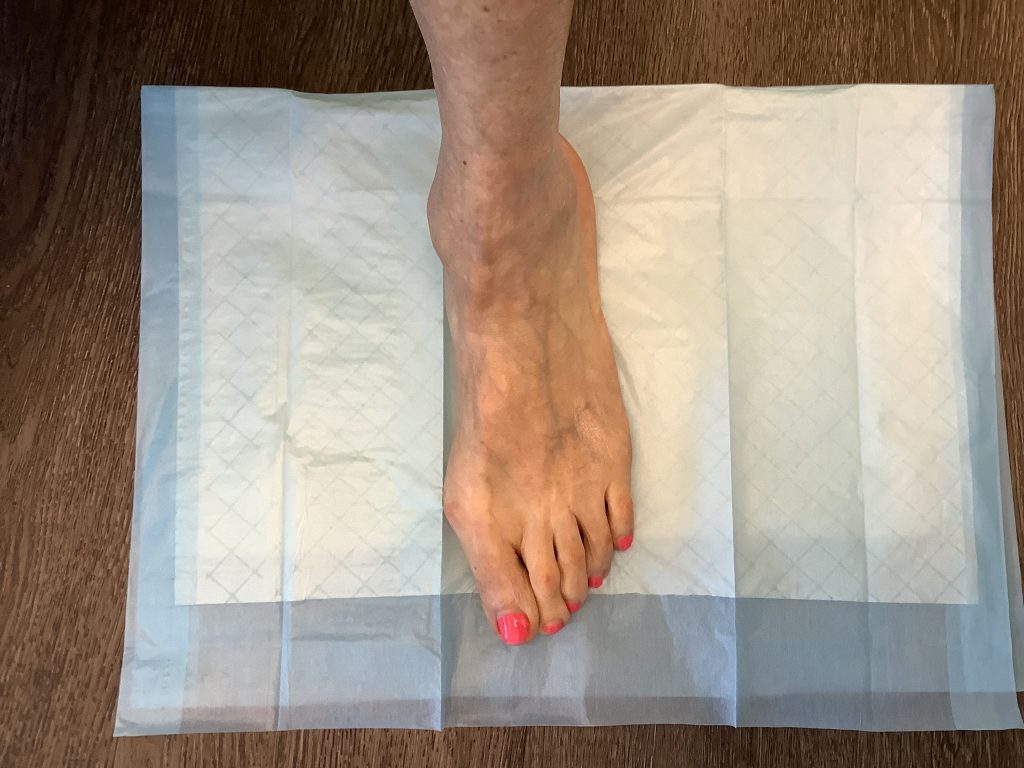 Before
 After
After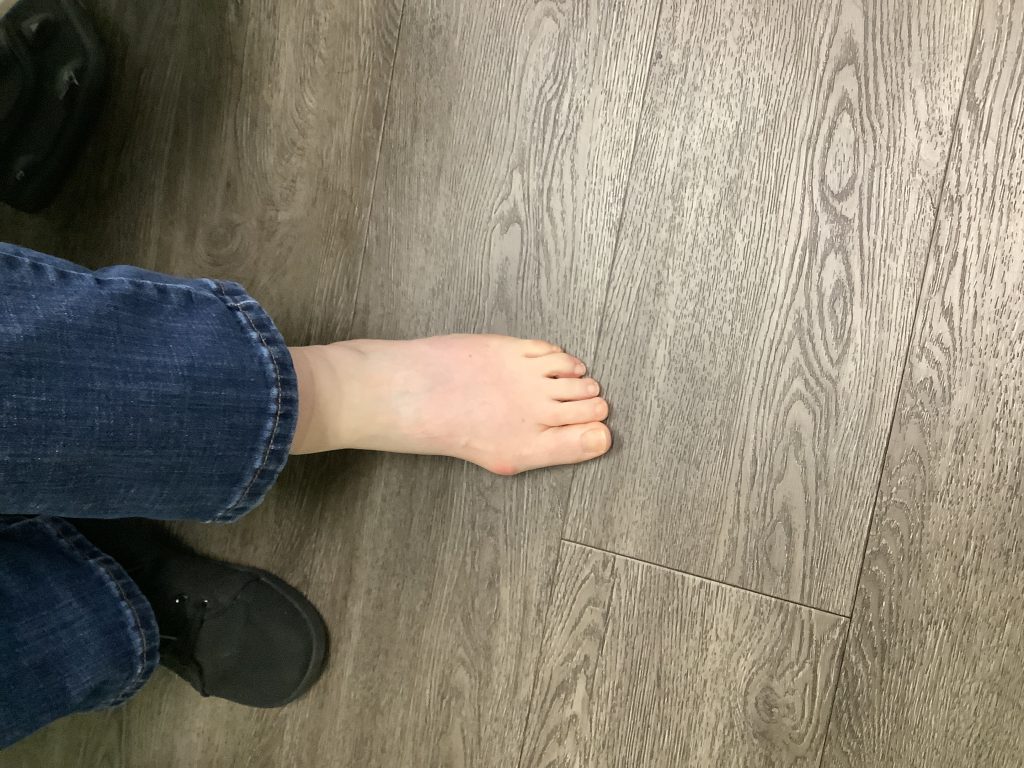 Before
 After
After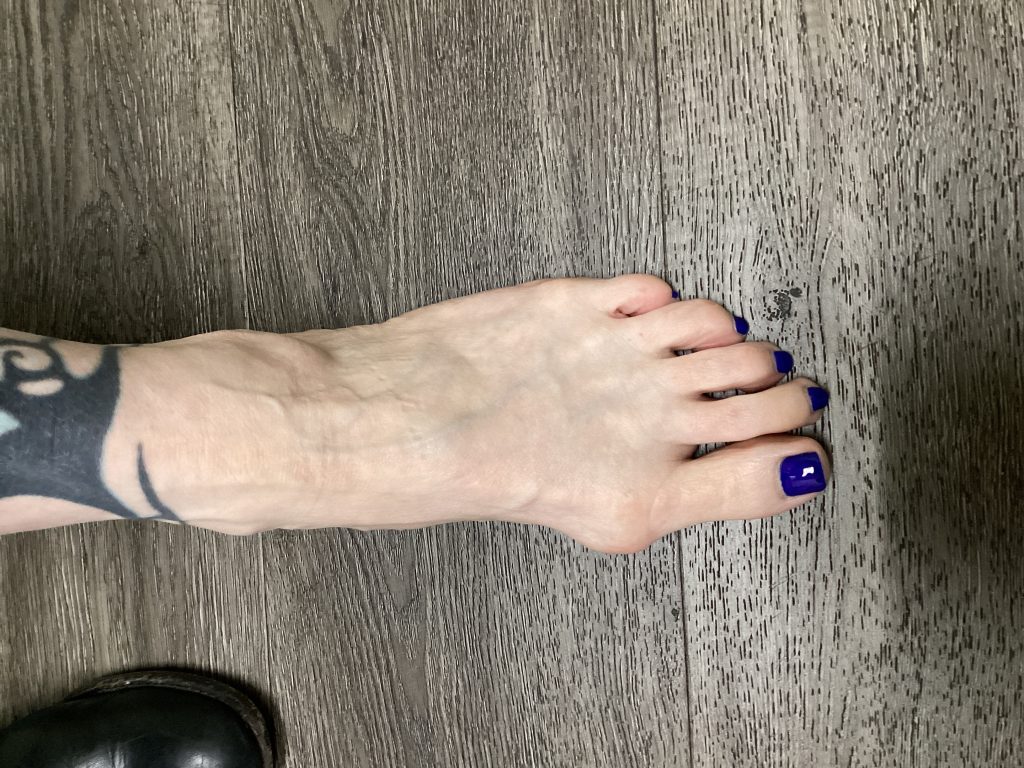 Before
 After
After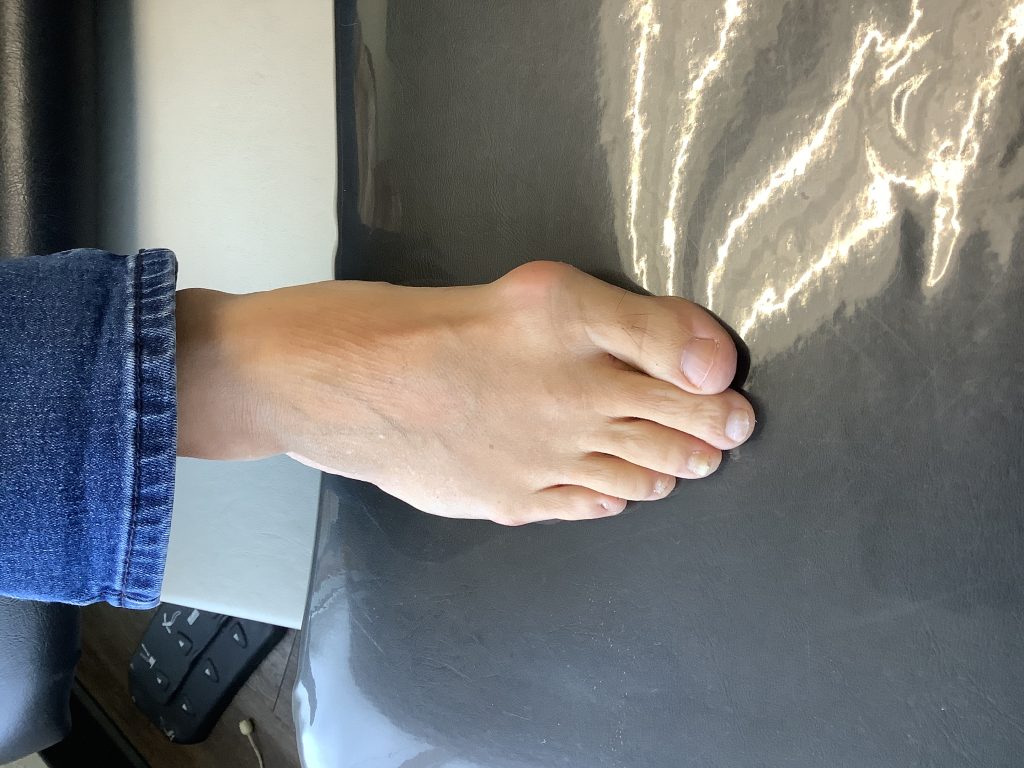 Before
 After
After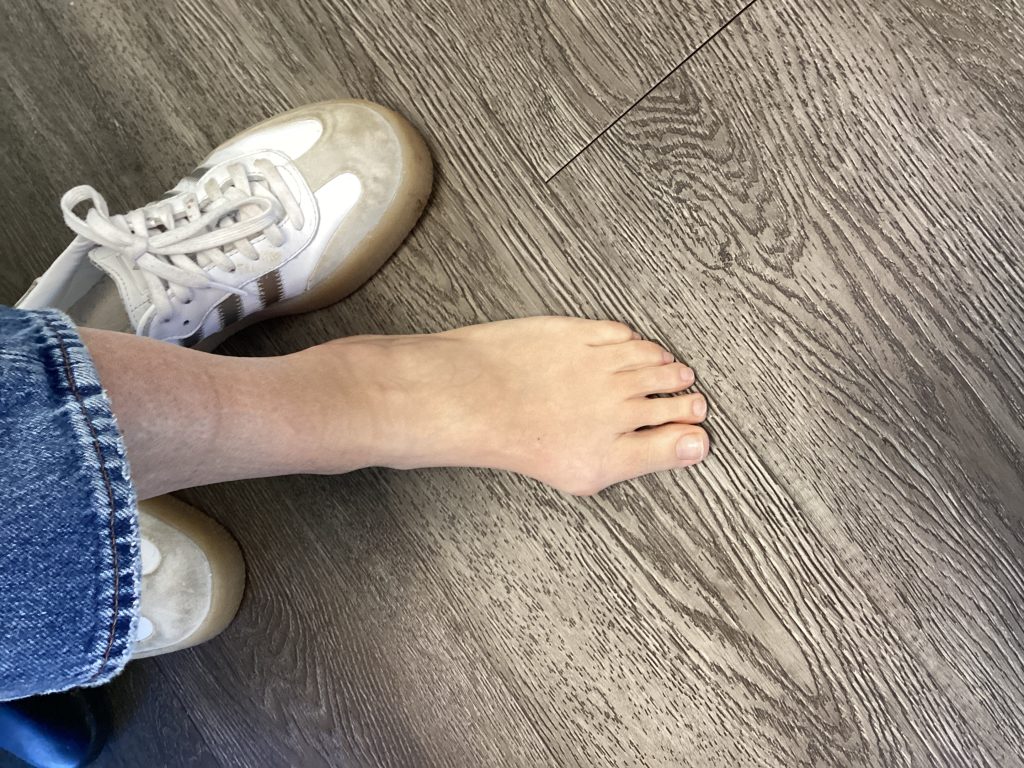 Before
 After
AfterWith all surgeries there are risks and bunion surgery is no exception. The risks include scars, incomplete correction, nerve injury, restricted movement at the joint, failure to heal fully, inability to relieve pain, reoccurrence of the bunion, development of arthritis, painful permanent hardware, and difficulty healing.